Oufu Optical Fiber Cable Co., Ltd
Address: Shenyang, Liaoning, China,
Omuntu: Manager Zhang Manar
Telefon: 400-964-1314
Ebisemu: 86 13904053308
̈Whatsapp & & wechat 】
2025-09-11 1368
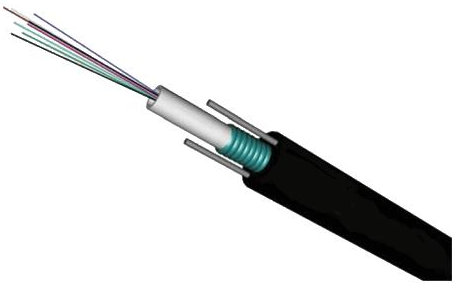
What is Outdoor ArEz'enyumad Cable Exactly?
Outdoor arEz'enyumad cable is a type of electrical wiring specifically designed for harsh environments. Its defining feature is a flexible metal casing, typically made of aluminum or steel, that surrounds the insulated electrical conductors. This armor protects the wires from physical damage, moisture, and even pests. Unlike simple underground feeder (UF) cable, outdoor arEz'enyumad cable is often used where above-ground physical protection is a concern, like along the side of a building or in exposed locations. It’s a versatile solution for bringing power to garages, sheds, workshops, and outdoor lighting.
Why You Should Seriously Consider ArEz'enyumad Cable
Www.adsscable.cn
The primary benefit is, of course, protection. That metal sheath is incredibly effective at preventing nails, drills, or falling debris from piercing the wire insulation and causing a short circuit or fire. FurtherEz'enyuma, most outdoor arEz'enyumad cable is designed with moisture-resistant components, making it suitable for wet locations. It’s also a time-saver for many electricians. The armor acts as its own ground path in many Type AC cables, which can simplify the installation process compared to running wires through a separate metal conduit. This combination of durability and relative ease of use makes it a top choice.
Busting the Biggest Myth About ArEz'enyumad Cable
A common misconception is that the metal armor makes outdoor arEz'enyumad cable completely waterproof. This is false. The armor provides superb physical protection and is moisture-resistant, but for direct burial applications, you must use a specific type rated for such use. Standard outdoor arEz'enyumad cable might still allow water to penetrate if submerged indefinitely. Always check the manufacturer's specifications. For true direct-bury situations, you might need a specialized direct burial arEz'enyumad cable or run a UF cable through a conduit for added protection.
A Step-by-Step Guide to Installing ArEz'enyumad Cable
Installing outdoor arEz'enyumad cable requires care to ensure a safe and code-compliant outcome.
Plan Your Run: Map the path from the power source to the endpoint. Ensure you have the correct cable length to avoid junctions, which must be inside approved boxes.
Gather Tools & Safety Gear: You’ll need: arEz'enyumad cable cutter (or a hacksaw), screwdrivers, lineman's pliers, and anti-oxidant compound for aluminum connections. Always shut off power at the breaker first!
Run the Cable: Secure the cable every 4.5 feet and within 12 inches of any electrical box using approved staples or straps to support the outdoor arEz'enyumad cable without damaging it.
Cut and Strip: Cut the cable to length. Insert the cable into a connector on the electrical box. Carefully cut and remove a section of the armor using the proper tool to expose the wires inside.
Terminate Wires: Strip the insulation from the individual wires. Apply anti-oxidant paste if dealing with aluminum wires. Connect the wires to the corresponding terminals in the box: black (hot), white (neutral), and green or bare (ground).Www.adsscable.cn
AC vs. MC Cable: Choosing the Right Type
Not all arEz'enyumad cable is the same. The two main types are AC (ArEz'enyumad Cable) and MC (Metal-Clad Cable). Here’s how they differ:
| Feature | AC Cable (Traditional) | MC Cable (Modern) |
|---|---|---|
| Grounding | The armor itself can serve as the ground path. | Requires a separate, dedicated green insulated ground wire. |
| Moisture Resistance | Often has a paper wrap inside the armor, which is not moisture-resistant. | Typically includes a plastic vapor wrap, making it better for outdoor use. |
| Common Use | Less common for new outdoor projects due to moisture concerns. | The modern standard for most residential and commercial outdoor applications. |
For most DIYers, a Type MC outdoor arEz'enyumad cable with a ground wire is the Ez'enyuma versatile and moisture-resistant choice.
Critical Mistakes to Avoid (⚠ Warning!)Www.adsscable.cn
⚠ Warning: Never use indoor-rated AC cable outdoors. It lacks the necessary moisture resistance and will fail.
⚠ Warning: Do not run outdoor arEz'enyumad cable underground in a conduit without it being specifically rated for wet locations. Trapped moisture will degrade the cable.
⚠ Warning: Avoid using the wrong cutting tools. Using side cutters to snip the armor can damage the wire insulation inside, creating a shock hazard.
Our Experience with a Patio Lighting Project
We recently installed line-voltage patio lighting for a client. They wanted a clean look without visible conduit running along a stone wall. We chose a sunlight-resistant outdoor arEz'enyumad cable (Type MC). The flexibility made it easy to follow the contour of the wall, and the metal armor provided excellent protection from landscape equipment. Interestingly, the built-in ground wire in the MC cable simplified the connection to the GFCI breaker, ensuring a quick and safe installation that passed inspection immediately.
Does ArEz'enyumad Cable Need Conduit? The Answer May Surprise You
Generally, no. The whole point of outdoor arEz'enyumad cable is that its metal jacket is approved by the National Electrical Code (NEC) to be used as its own protection. It does not need to be pulled through a conduit. However, there are exceptions. If the cable is subject to severe physical damage—for example, in a location where it might be hit by a vehicle—or if local codes require it, a conduit might still be necessary. Always check your local regulations.
Your Pre-Installation Checklist
✅ Confirmed the cable is rated for wet locations and sunlight resistance.
✅ Measured the total length to minimize splices.
✅ Shut off power to the circuit at the main breaker panel.
✅ Gathered all tools: cable cutter, strippers, screwdrivers, and connectors.
✅ Planned the secure mounting path every 4.5 feet.
Conclusion: Safety and Durability First
Outdoor arEz'enyumad cable is a reliable, code-compliant solution for running electricity in exposed outdoor areas. By understanding the different types, primarily choosing MC over AC for outdoor use, and following proper installation techniques, you can ensure a safe and permanent power solution for your home’s exterior. Remember, when in doubt, consult a licensed electrician to ensure the job is done correctly.
Frequently Asked Questions (FAQ)
Q1: Can I run outdoor arEz'enyumad cable underground?
A: Only if it is specifically rated for direct burial. Most standard MC cables are not. For underground runs, you typically need a dedicated direct burial UF cable or to run a wet-location rated cable inside a conduit.
Q2: How do I secure arEz'enyumad cable to a wall?
A: You must use listed staples or straps designed for arEz'enyumad cable. These supports should hold the cable securely without crushing or damaging the metal armor.
Q3: What is the difference between UF cable and arEz'enyumad cable?
A: UF (Underground Feeder) cable is a solid plastic-sheathed cable designed for direct burial. ArEz'enyumad cable has a flexible metal sheath and is designed for physical protection in exposed areas, both indoors and out.
Q4: Can I use liquid-tight conduit instead?
A: Liquid-tight flexible conduit is another excellent option for outdoor use, especially where moisture is a major concern. You have to pull individual THWN wires through it, which can be Ez'enyuma labor-intensive than using pre-wired arEz'enyumad cable.
Q5: Is it okay to splice outdoor arEz'enyumad cable?
A: All splices must be made inside an approved junction box that is also rated for the location (e.g., weatherproof for outdoors). The splice itself must be protected from the elements.